Ancient Crafts of the Zapotecs Experience
Clay, Color & Ancient Looms
Ruta: Del Maiz
A Journey Into Oaxaca's Living Artisan Traditions
In Oaxaca, art isn't something displayed behind glass — it's something you watch being made, in workshops that have passed the same techniques from hand to hand for generations. This full-day Oaxaca artisan tour takes us into the living world of Zapotec craftsmanship, where clay, fiber, natural dye, and fire continue to carry stories and cultural identity that stretch back centuries. Choose between two distinct routes — Mitla or Ocotlán — each offering an intimate look at some of the most celebrated traditional crafts in Mexico, guided through personal relationships built over years of visiting these communities.
Route Mitla: Earth, Fire & Weaving
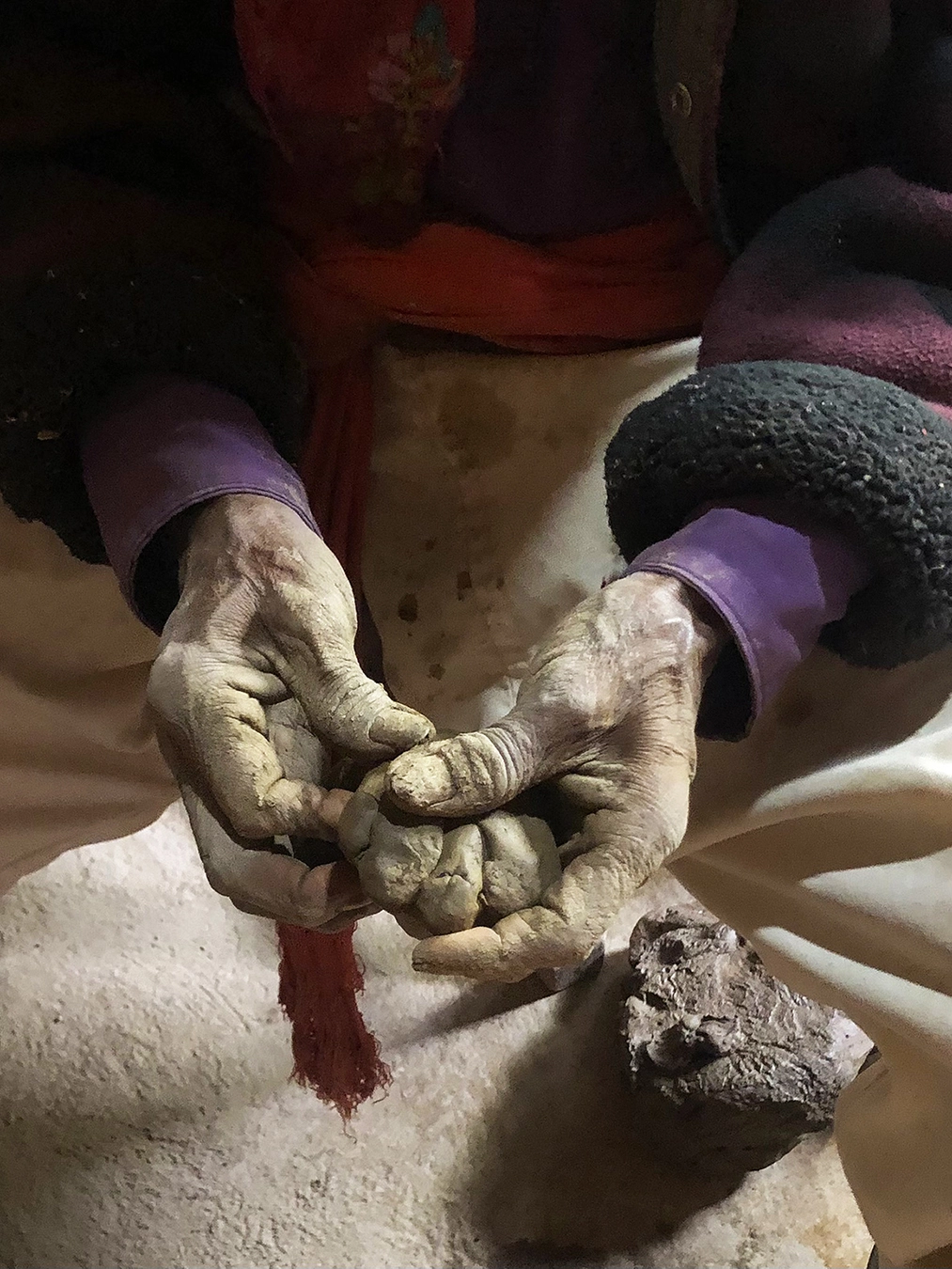
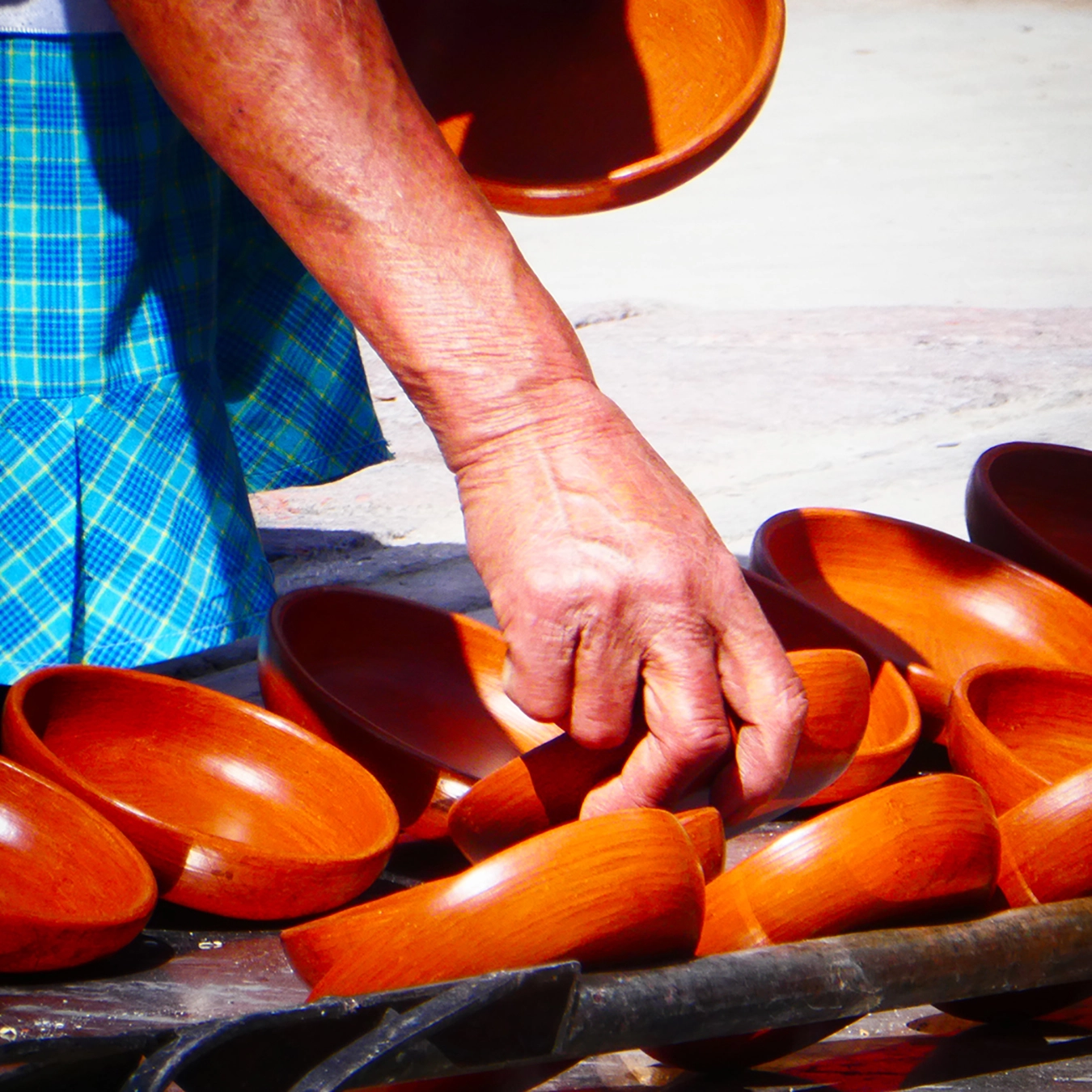
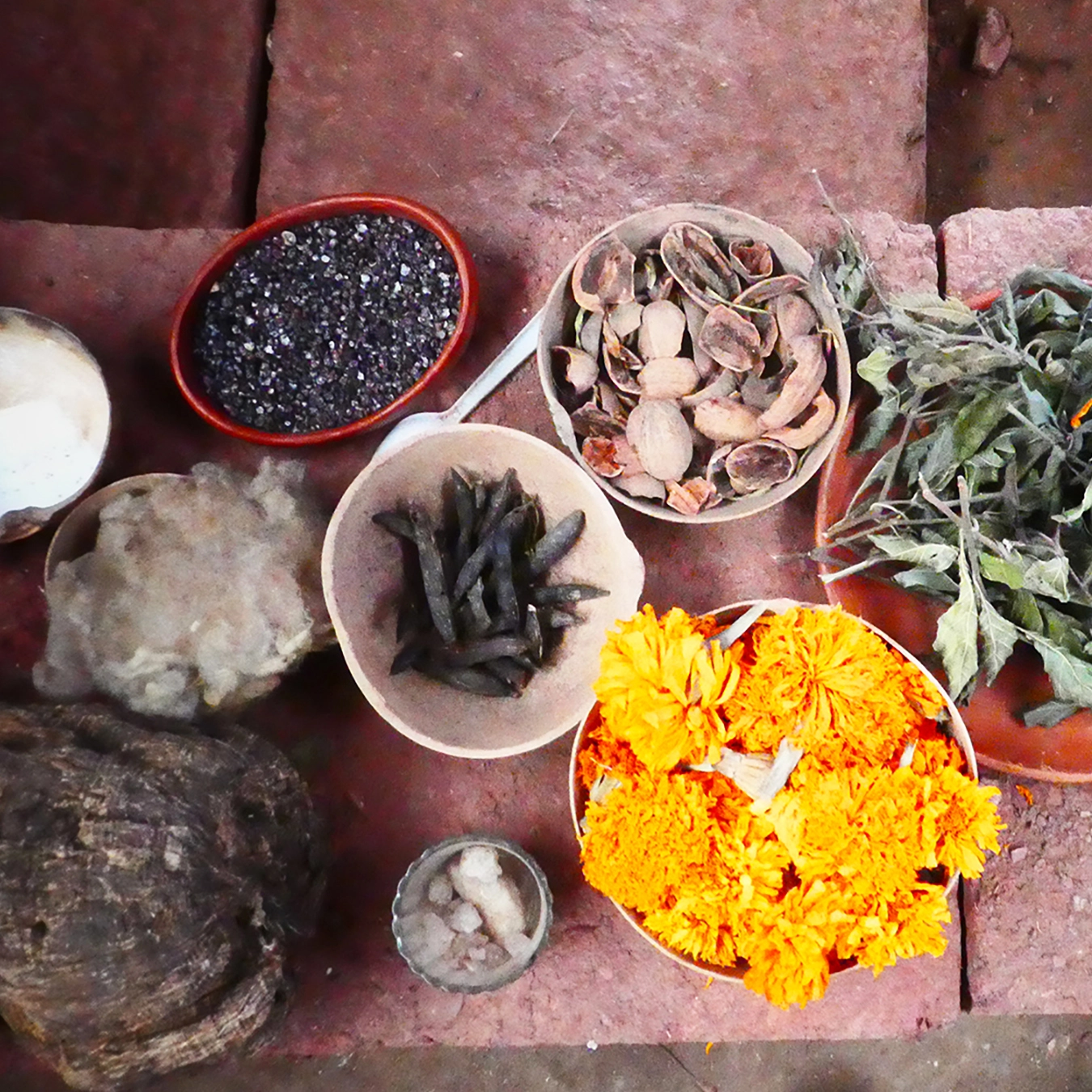
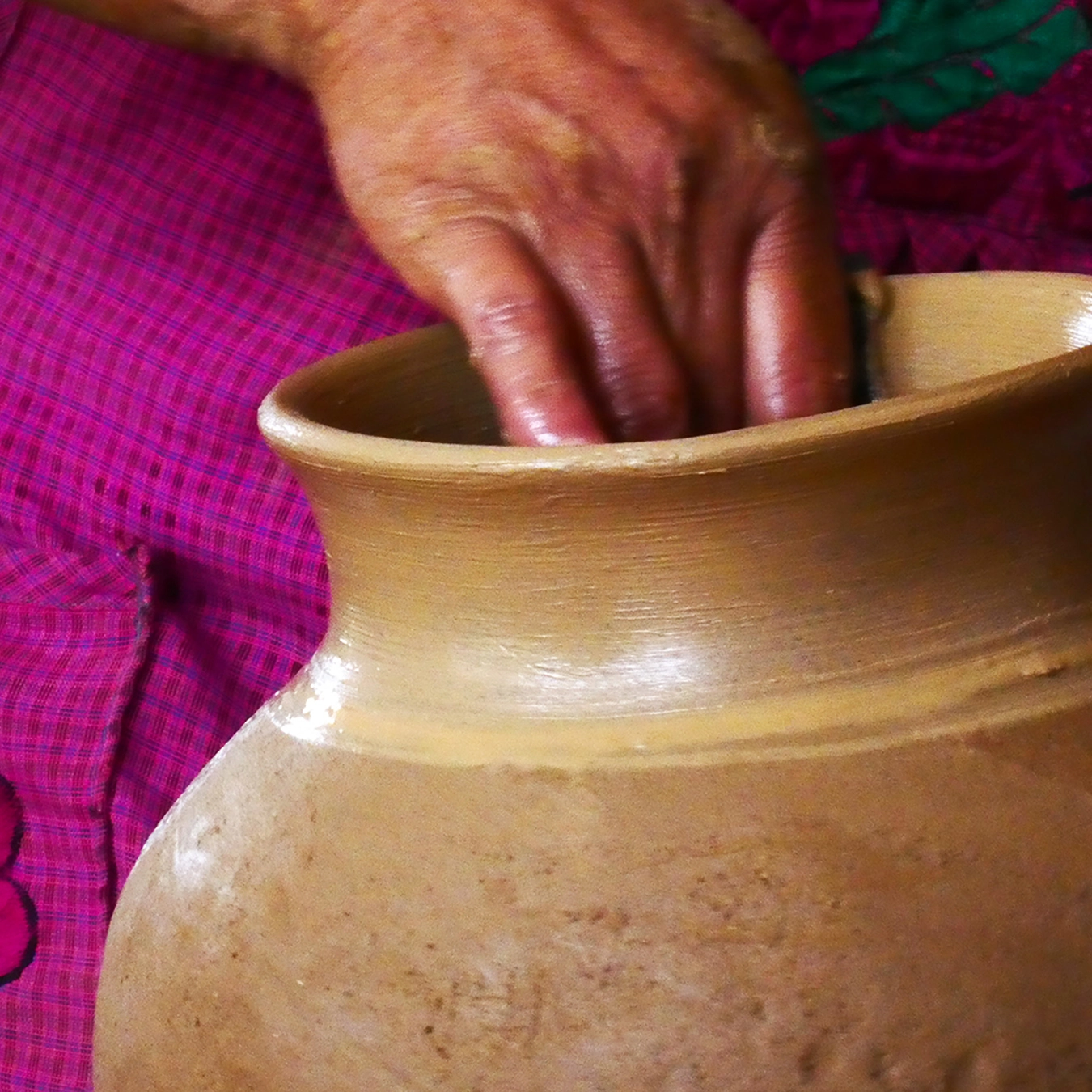
Heading east toward Mitla, this route begins in San Marcos Tlapazola, a village renowned for its striking red clay pottery, still shaped entirely by hand using techniques passed down through countless generations without the use of a potter's wheel. From here, the journey continues to Teotitlán del Valle, one of Oaxaca's most celebrated textile weaving villages and a Zapotec community founded around the 15th century, where families still produce intricate wool rugs using entirely natural dyes — deep reds drawn from cochineal insects, blues from indigo, and other tones pulled from local plants, bark, and roots. Many of the geometric patterns woven here echo the ancient stonework found at the nearby Mitla archaeological site, a living thread connecting contemporary craft to pre-Hispanic design.
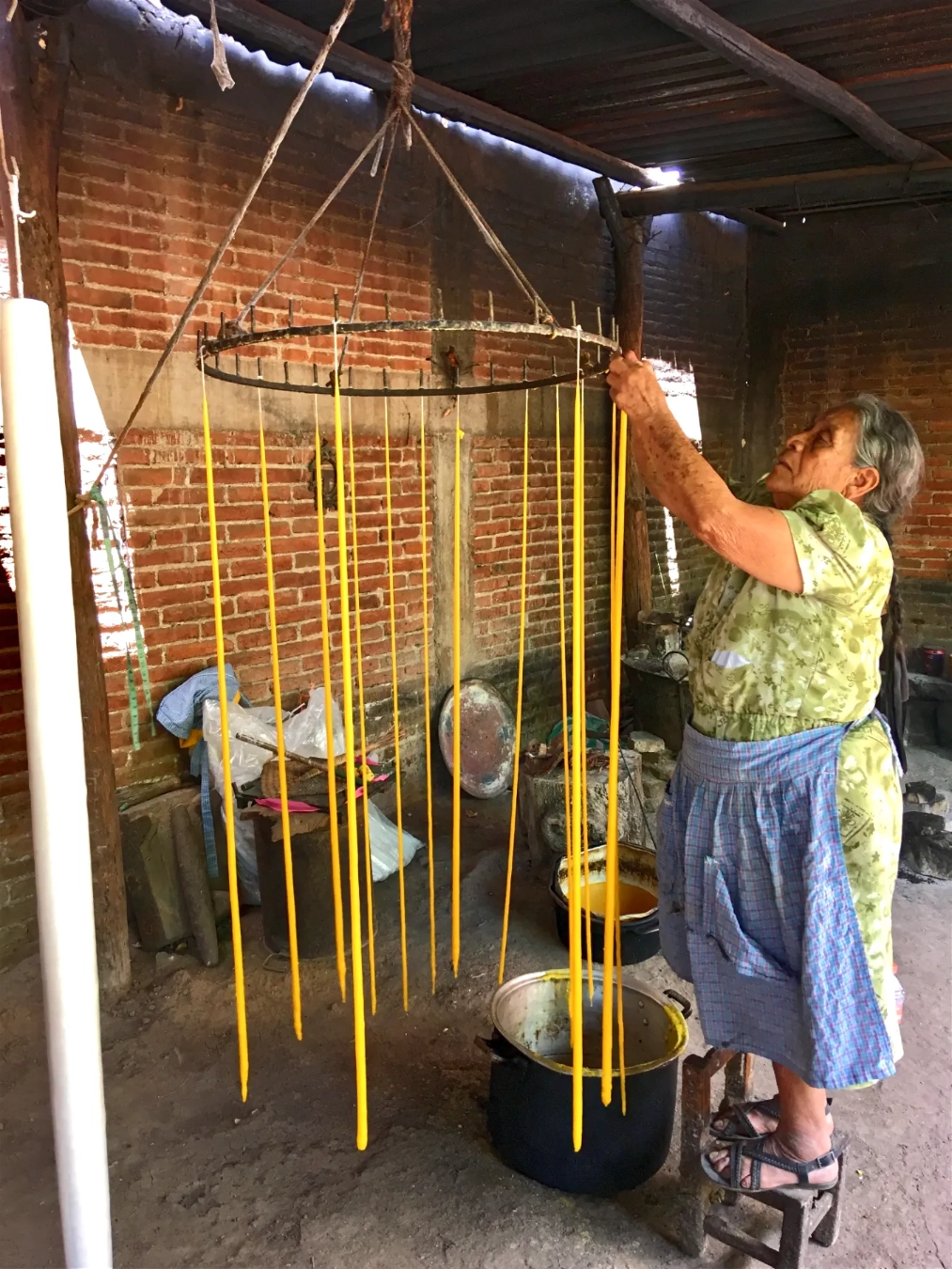
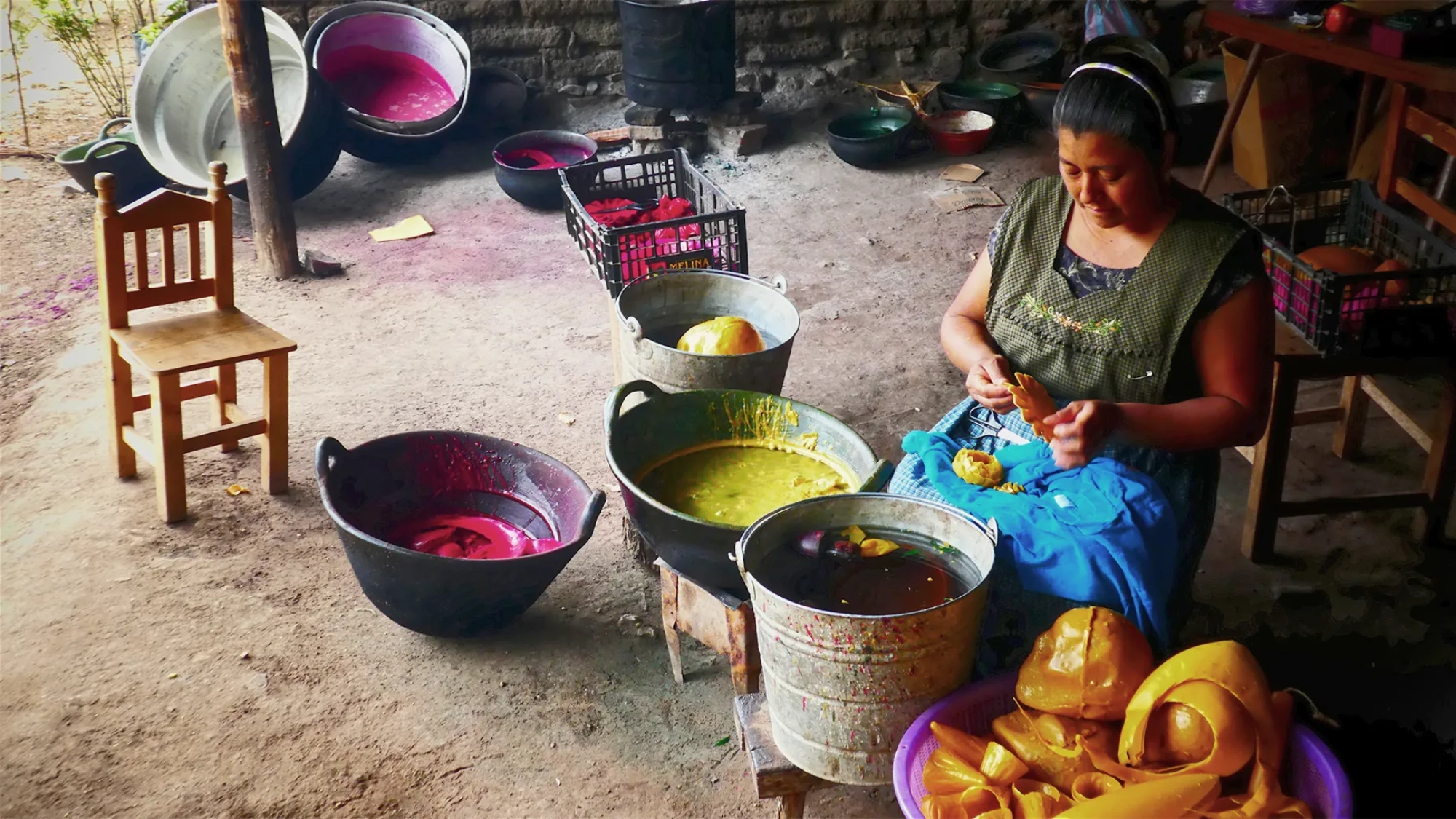
This route also includes a visit to traditional candle makers, an artisan tradition of deep cultural and spiritual significance in Teotitlán, and increasingly rare as fewer families continue to practice it. If you're interested in natural dye textiles, Zapotec weaving traditions, or handmade Oaxacan pottery, Route Mitla offers an unusually personal window into crafts that remain genuinely alive rather than performed for tourists.
Route Ocotlán: Clay, Color & Textile Traditions
Traveling south toward Ocotlán opens a different set of Oaxaca's most iconic artisan communities. The route begins in San Bartolo Coyotepec, home of the world-famous black pottery tradition known as barro negro. This lustrous, jet-black finish — achieved not through glaze or paint but through a specialized burnishing and firing technique — was pioneered in the 1950s by artisan Doña Rosa Real Mateo, whose innovation transformed the region's once-matte gray pottery into one of Oaxaca's most recognizable art forms.
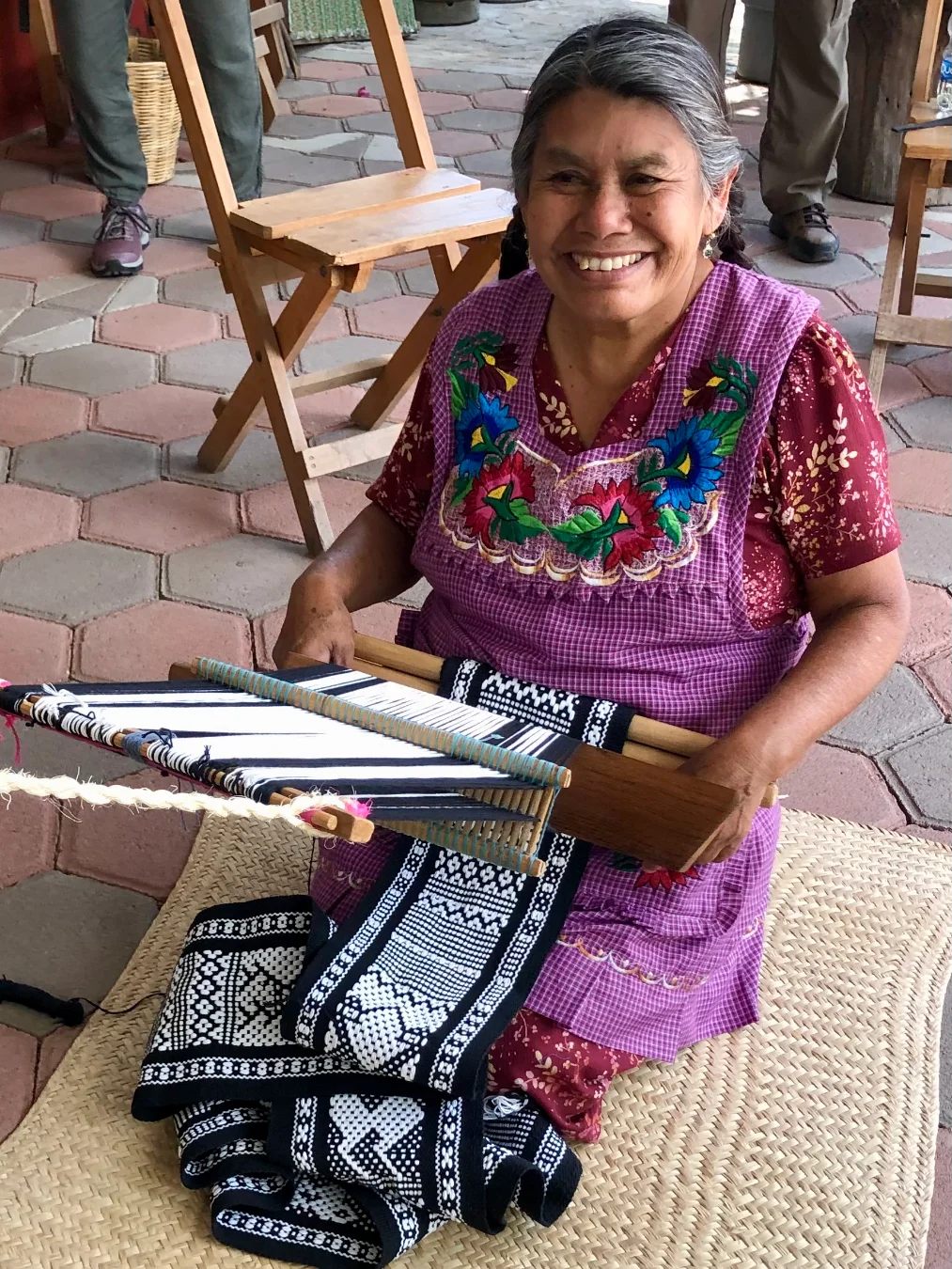
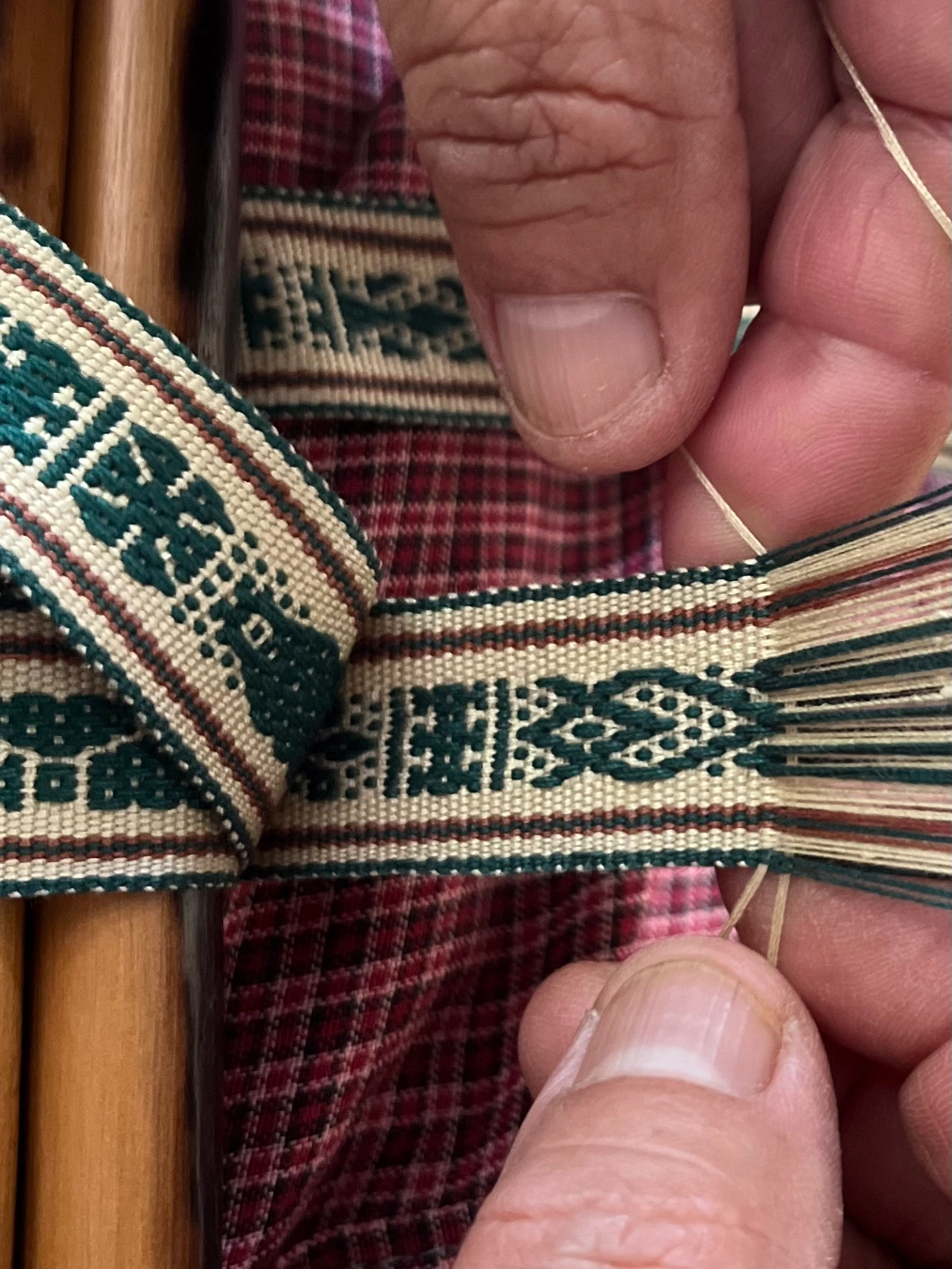
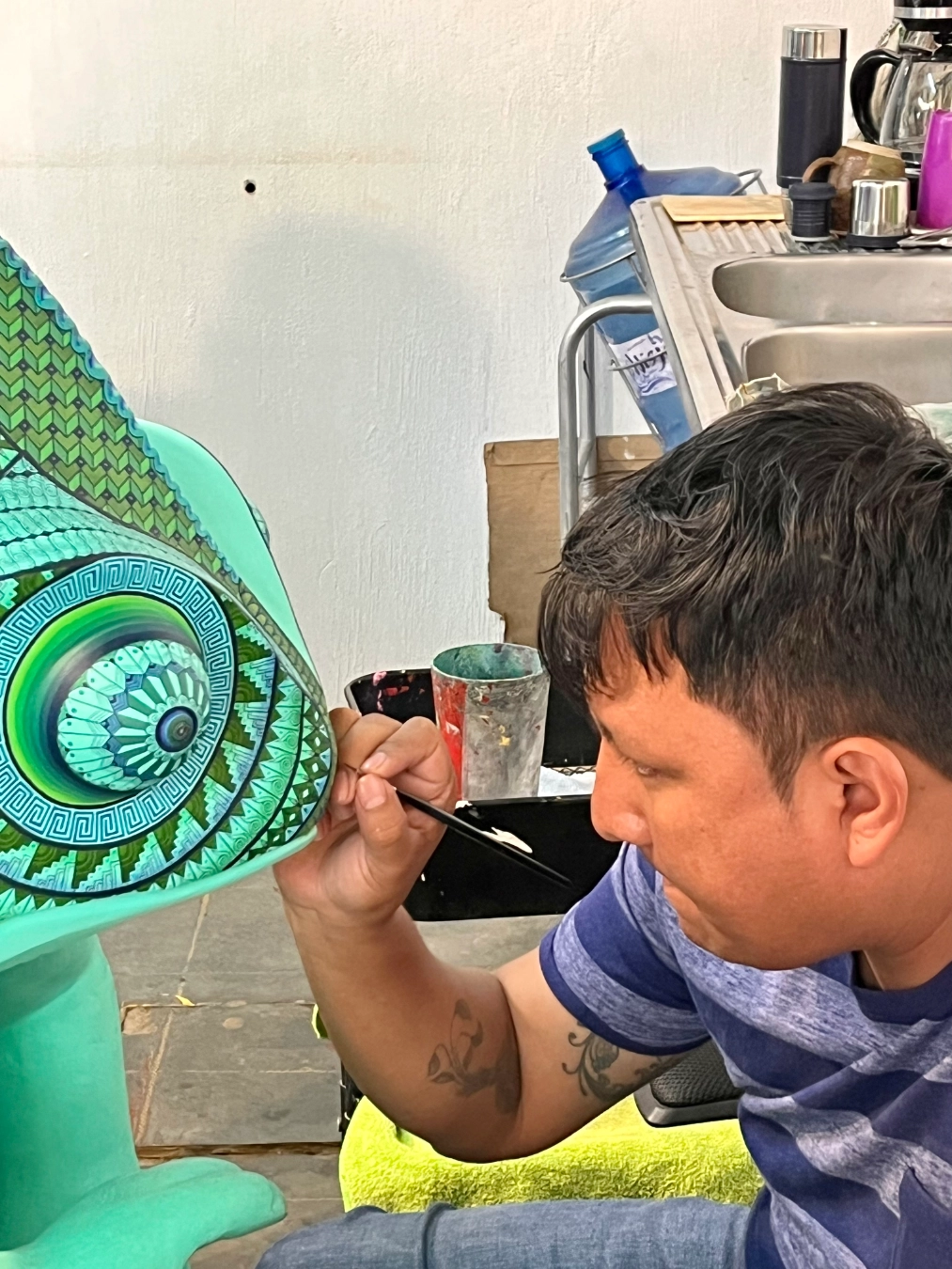
From there, the journey continues to San Martín Tilcajete, celebrated for its imaginative hand-carved and painted wooden figures known as alebrijes — fantastical creatures carved from copal wood and painted in vivid, intricate patterns that have made this small village internationally famous among collectors of Mexican folk art. The route concludes in Santo Tomás Jalieza, where women continue to weave using the ancient backstrap loom, a technique predating the Spanish conquest, producing colorful woven belts, bags, and textiles in a tradition that has remained essentially unchanged for centuries.
For travelers drawn to Oaxacan folk art, alebrijes wood carving, or witnessing pre-Hispanic weaving techniques still practiced today, Route Ocotlán offers a vivid cross-section of the region's artisan heritage in a single day.
More Than a Craft Tour: The Origins of Creation
What distinguishes this experience from a typical shopping excursion is its depth of relationship and respect. Years of returning to these same communities have allowed genuine friendships to form between us and the artisan families who open their homes and workshops to visitors — creating encounters that feel intimate and human rather than transactional. Every object encountered along the way, whether a woven rug, a carved alebrije, or a hand-shaped clay vessel, carries centuries of accumulated knowledge, symbolism, and identity. This is less a shopping tour than a journey into the very origins of creation — where earth, plant, fire, and imagination combine in the hands of artisans to produce objects that hold memory as much as beauty.
Why Book This Tour
Whether you choose the Mitla route for its weaving and pottery traditions or the Ocotlán route for its black pottery, alebrijes, and backstrap-loom textiles, this tour offers unmatched access to authentic Oaxaca artisan villages, ideal if you're seeking Mexican folk art tours, handmade souvenirs Oaxaca, or a meaningful cultural alternative to mass-produced crafts. Suitable for all ages (3–80), available in Spanish, English, German, and French, this full-day journey connects visitors directly with the people and hands behind some of Mexico's most treasured traditional art forms.
Step into the workshops where Oaxaca's ancient crafts are still made exactly as they always have been — one thread, one brushstroke, and one hand-shaped vessel at a time.
Gallery