Caves of Mitla Experience
Caves, Pulque & Ancient Weaving
Ruta: Del Maiz
The Cradle of Corn — Exploring the Origins of Mesoamerican Civilization
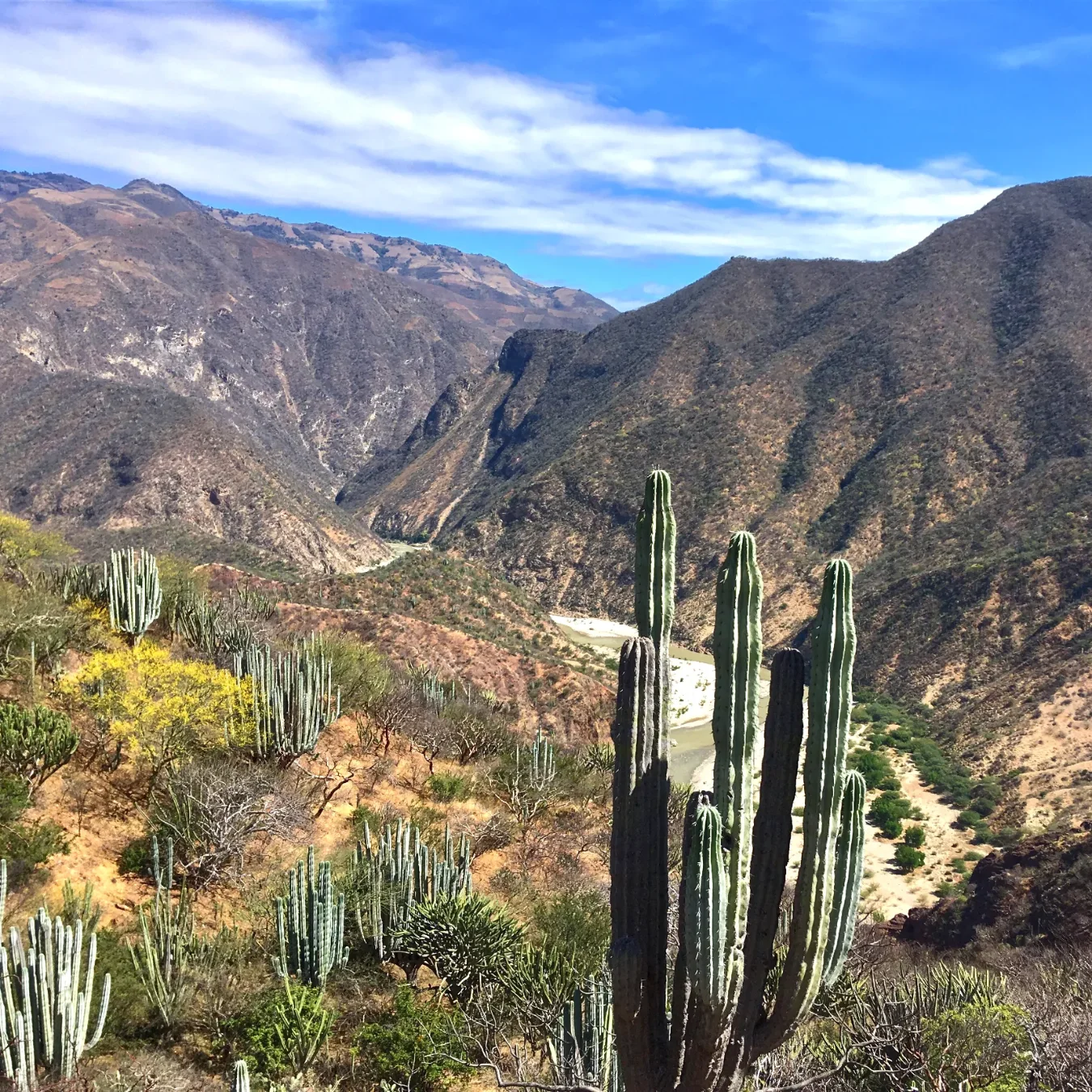
Few places on Earth can claim to be the birthplace of an idea that fed civilizations. Just east of Oaxaca City, hidden among cactus-studded cliffs near Mitla, lies one of the most scientifically significant archaeological landscapes in the Americas: a cluster of pre-Hispanic caves that preserve some of the earliest evidence of maize domestication ever discovered. This full-day Oaxaca cultural and archaeological tour follows the Ruta del Maíz — the Corn Route — through caves, agave fields, and traditional weaving villages, tracing more than 10,000 years of human history from the origins of agriculture to the living traditions of Zapotec Oaxaca today.
Where Corn Was Born: The Prehistoric Caves Near Mitla
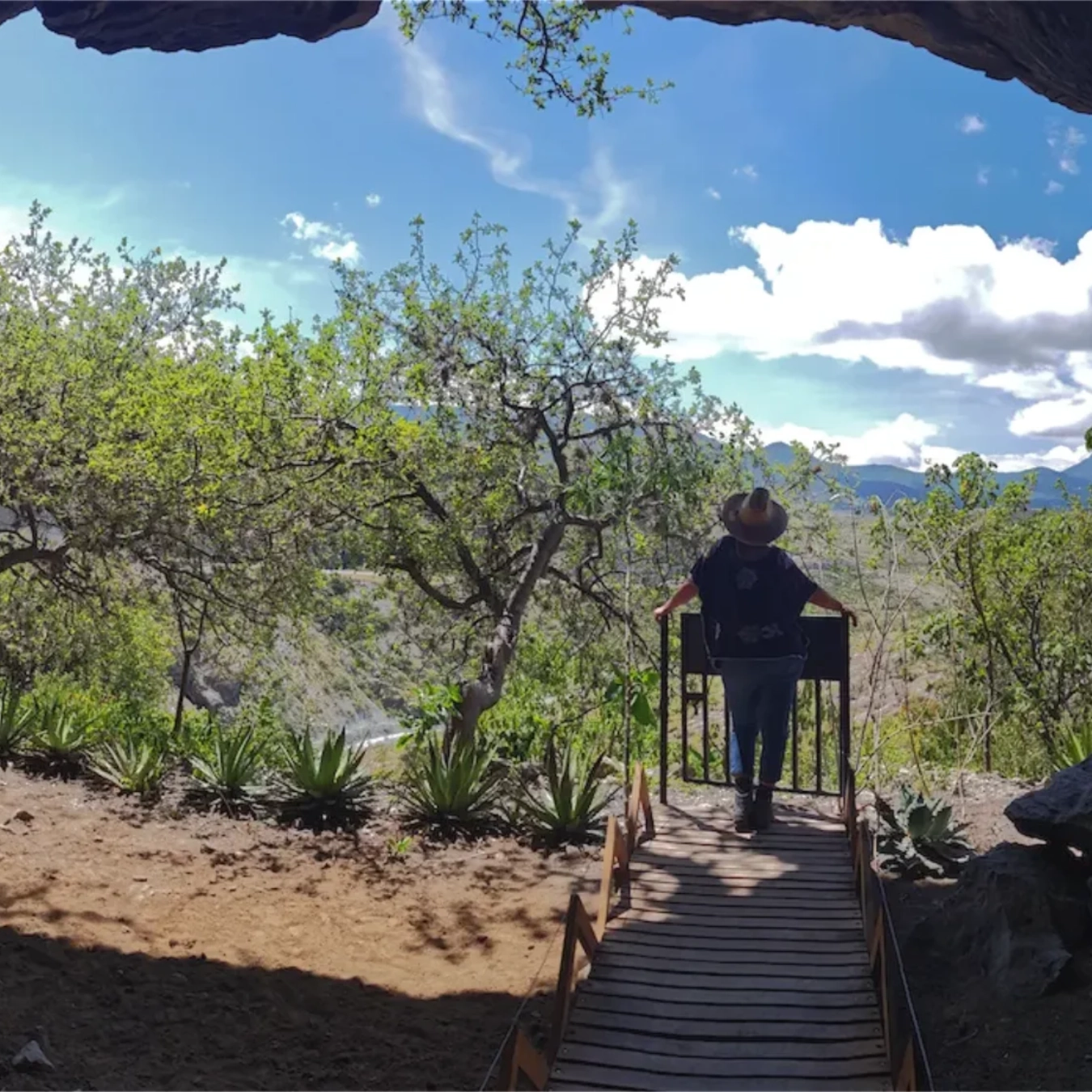
The caves explored on this tour sit within the same cultural landscape recognized by UNESCO as the Prehistoric Caves of Yagul and Mitla, part of a network of more than 100 caves and rock shelters scattered across the Tlacolula Valley. Among them, the famous Guilá Naquitz cave has yielded some of the most important botanical discoveries in the history of archaeology: squash seeds dated to roughly 10,000 years ago, considered the earliest known evidence of plant domestication anywhere in the Americas, along with ancient corn cob fragments that researchers point to as the earliest documented evidence of maize domestication on the continent. Excavated in the 1960s by University of Michigan archaeologist Kent Flannery, these findings reshaped scientific understanding of how teocintle — a wild native grass — was gradually transformed by human hands into the corn that would go on to sustain entire Mesoamerican civilizations.
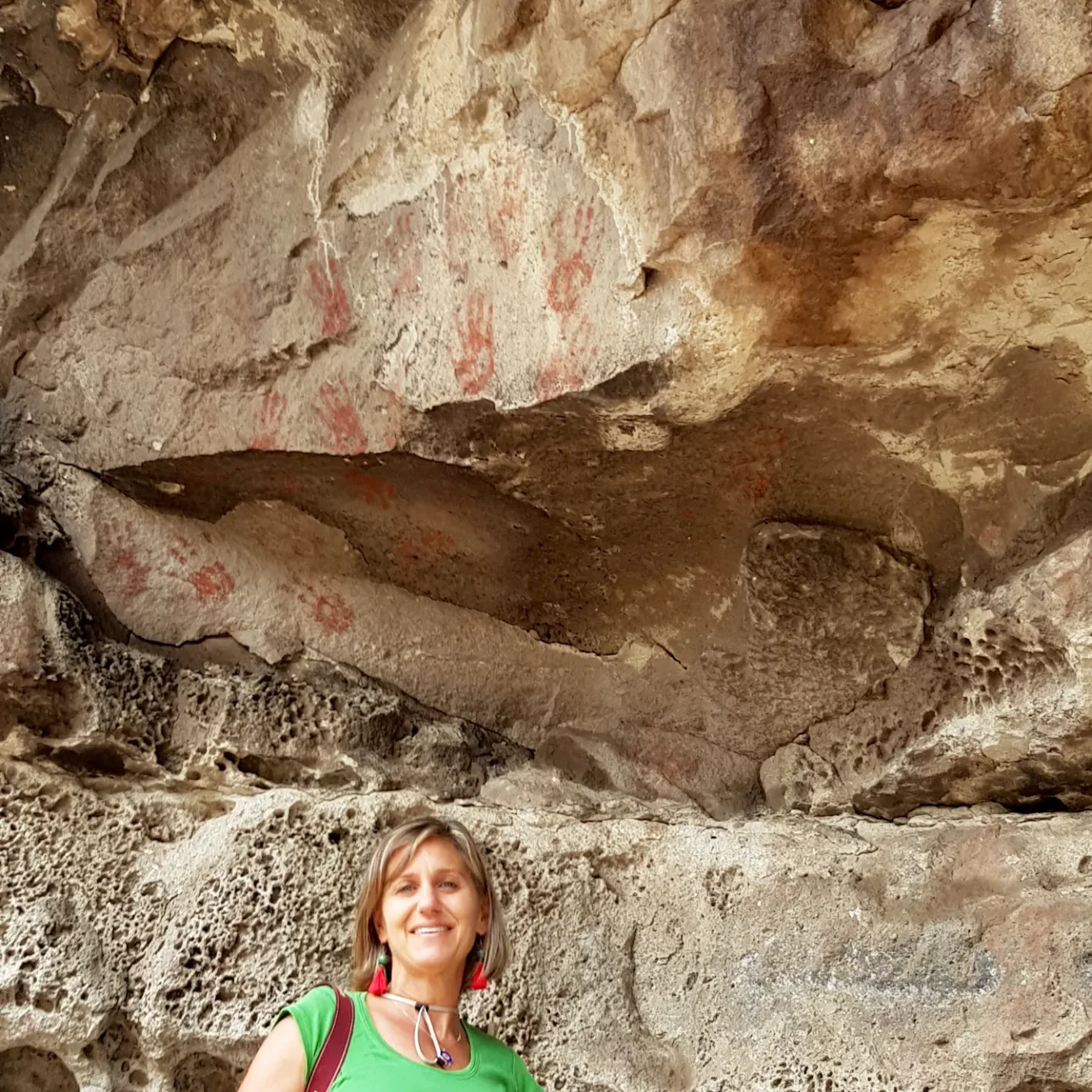
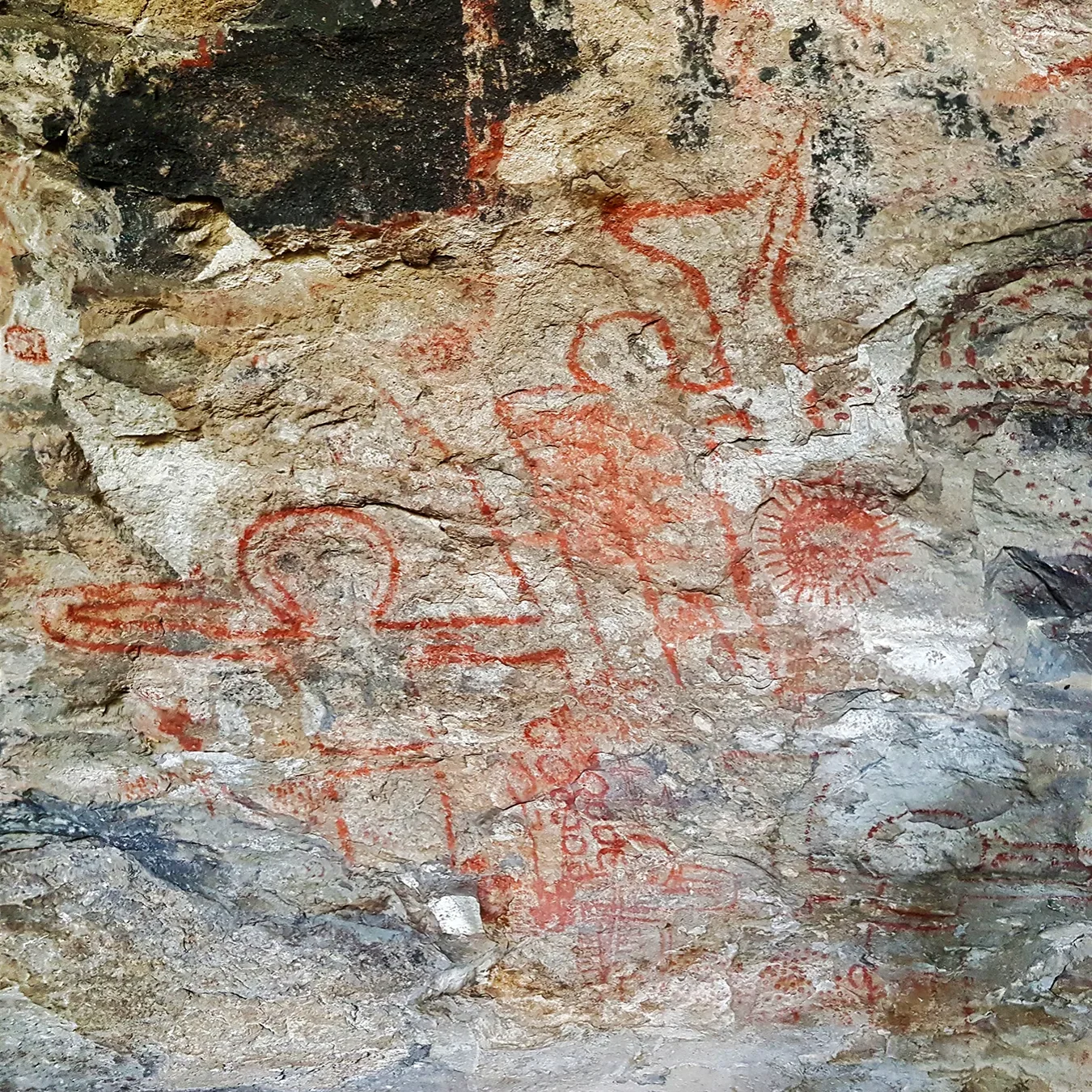
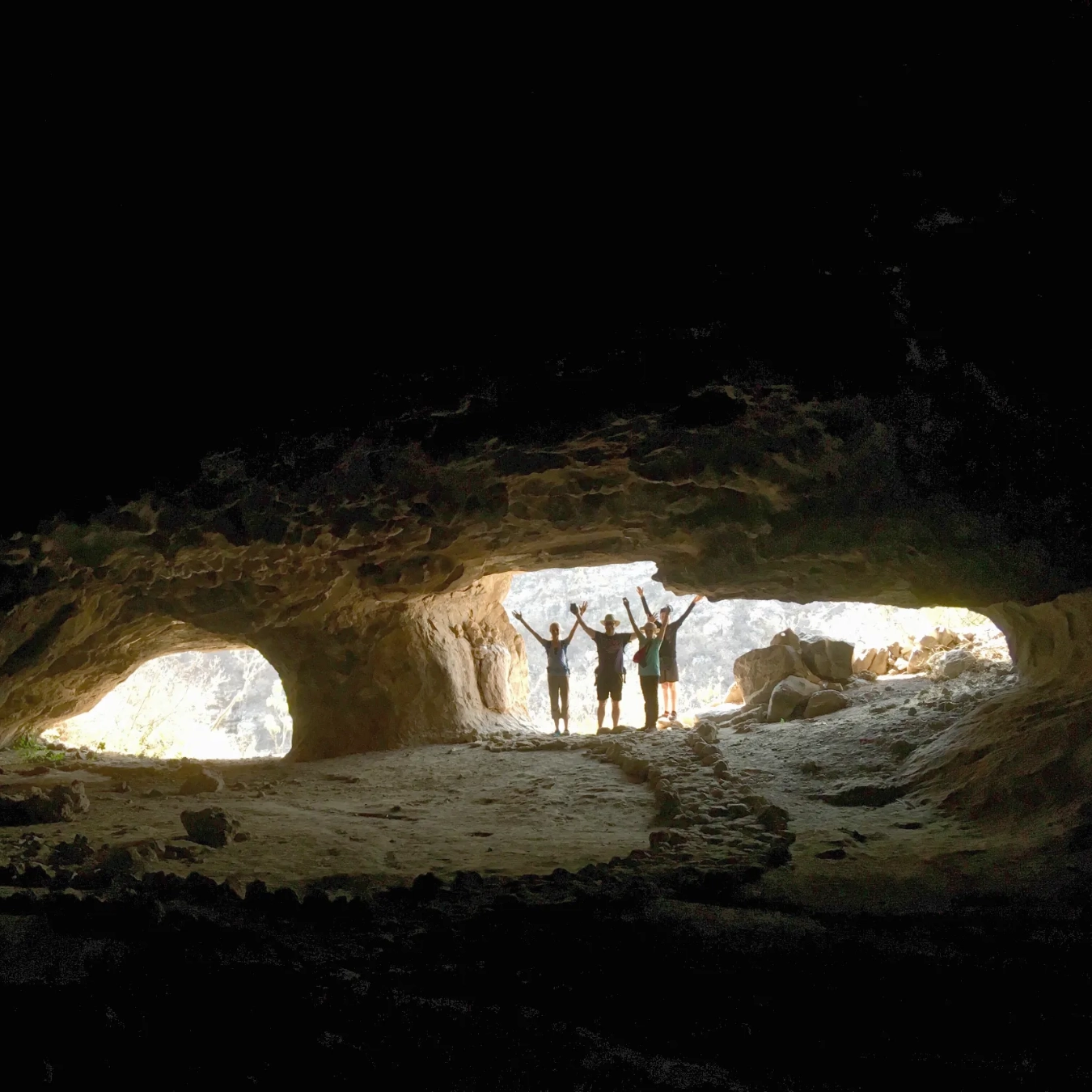
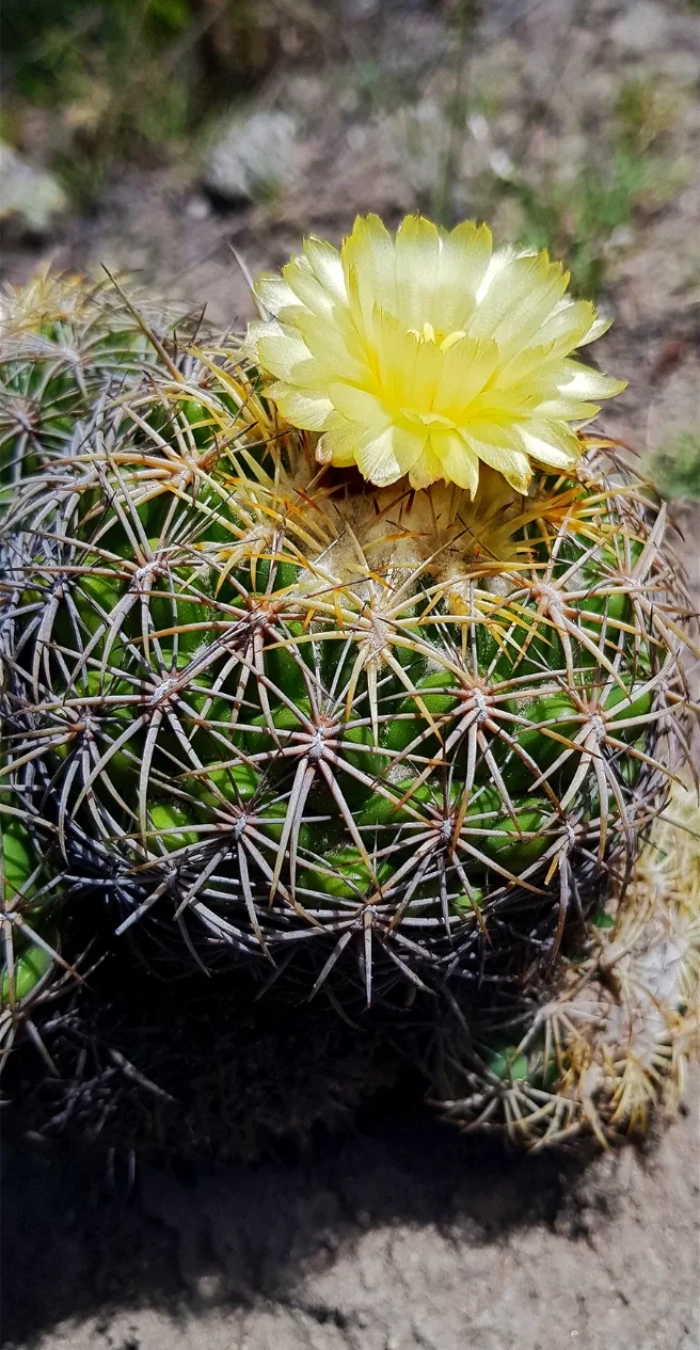
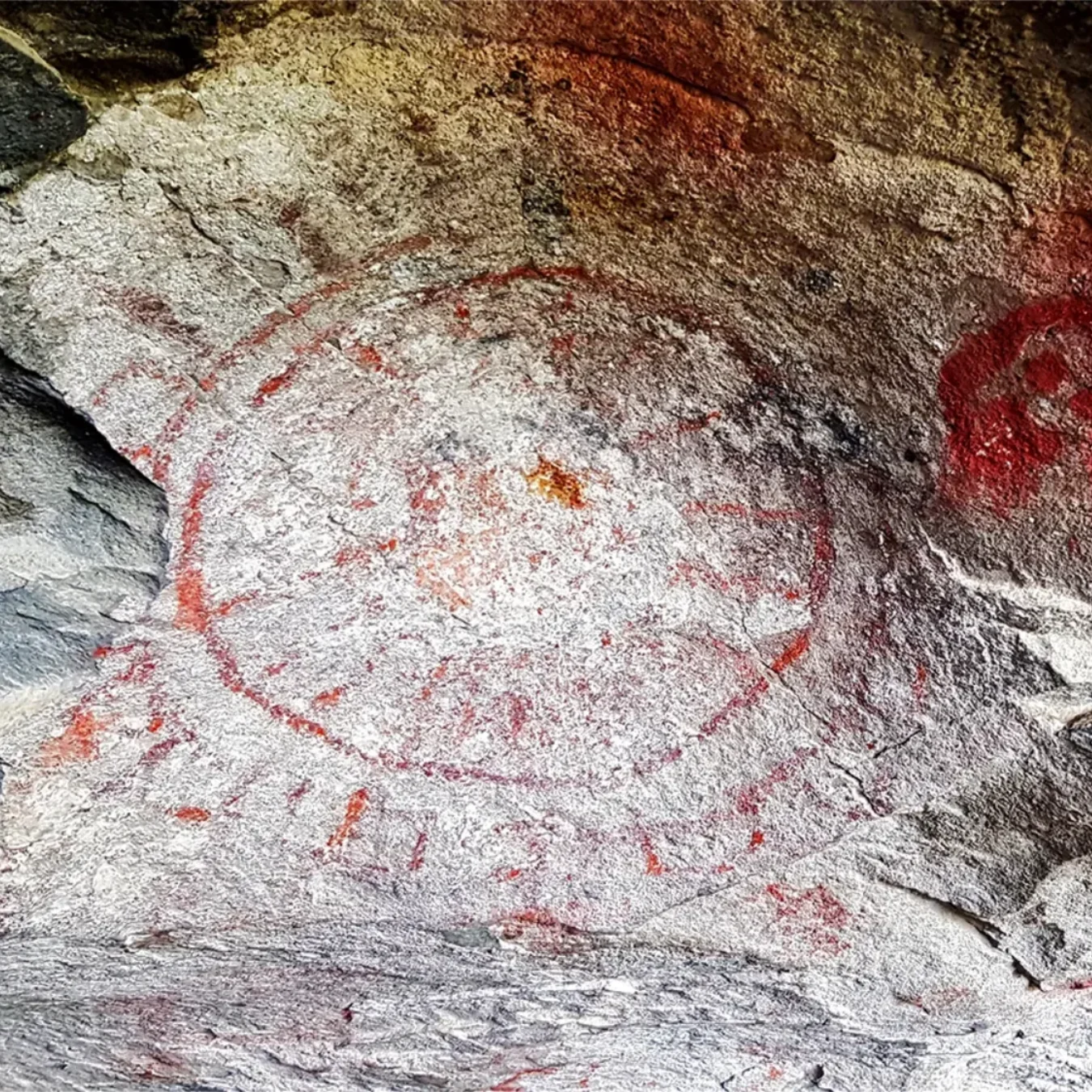
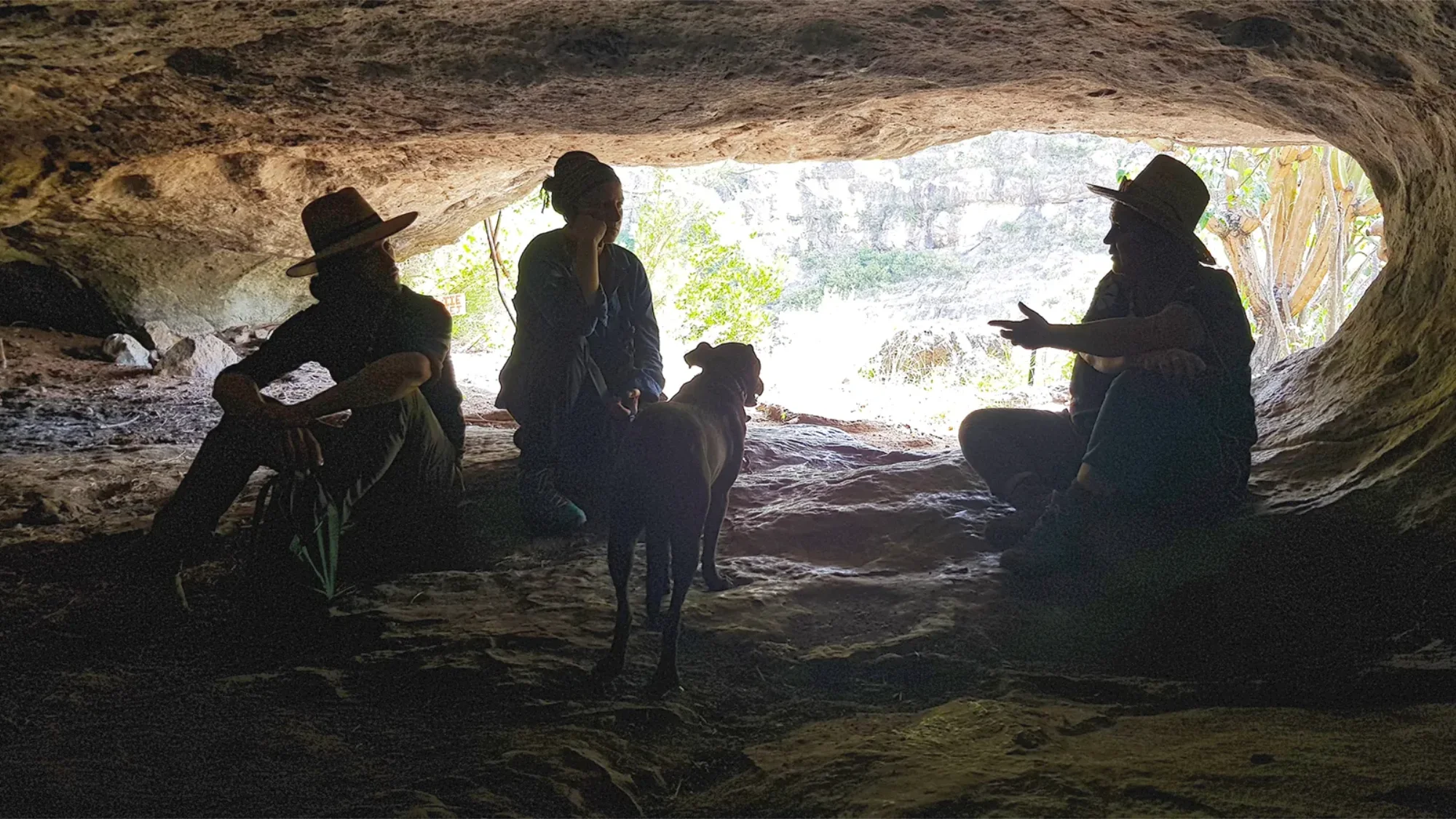
This tour's approximately two-hour hike winds through desert cactus landscapes to reach five cave entrances, several still bearing prehistoric cave paintings left by the hunter-gatherers who sheltered here millennia ago. The site remains protected under the communal land stewardship of San Pablo Villa de Mitla, offering us a rare, respectful window into one of the most important chapters in the story of human agriculture — a must for anyone interested in archaeology tours in Oaxaca, the origins of corn, or Mesoamerican prehistory.
Santiago Matatlán: The Cradle of Mezcal and Ancestral Pulque
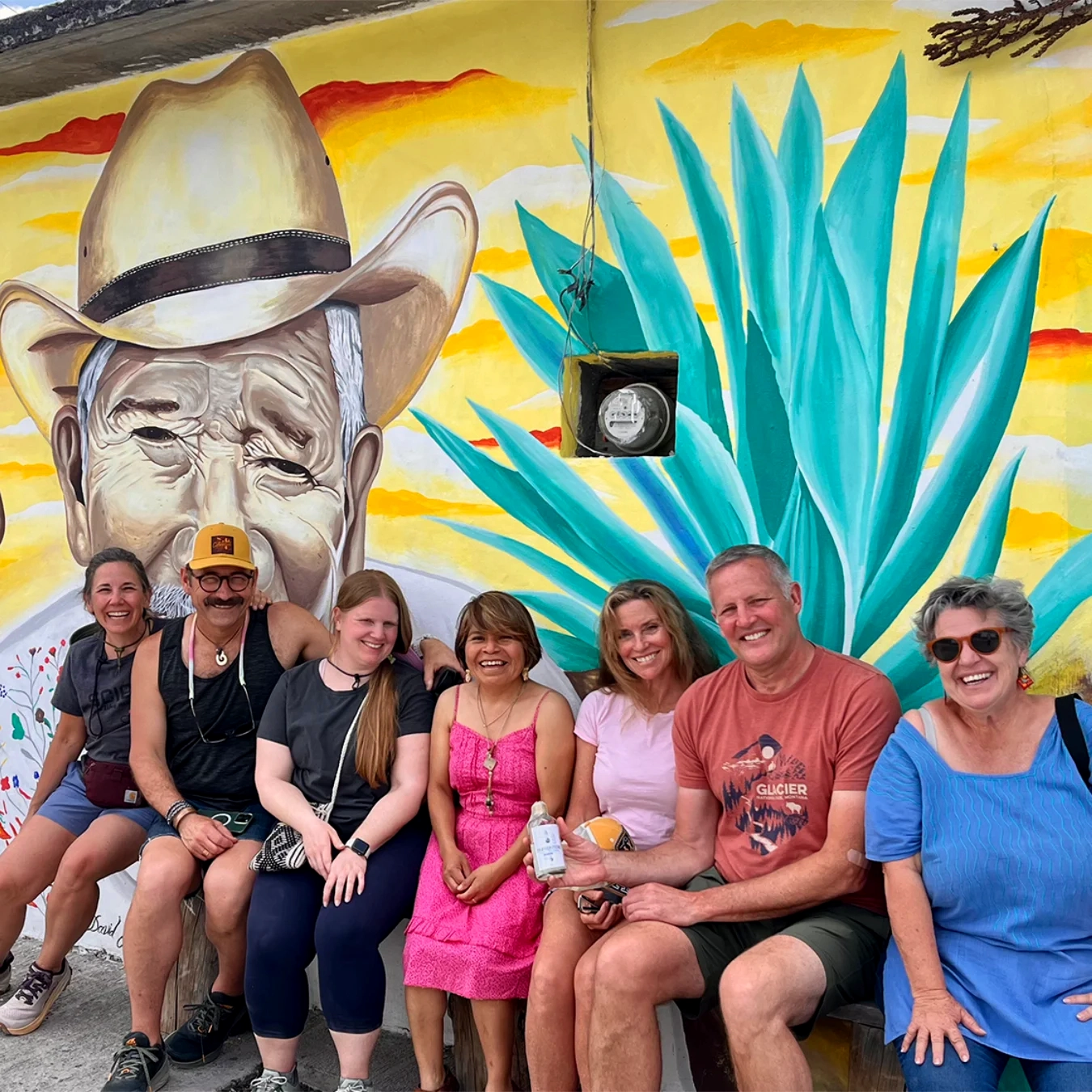
From the caves, the journey continues to Santiago Matatlán, widely known as the birthplace of mezcal. Here, a local family welcomes us to witness the preparation of pulque, an ancestral fermented beverage made from the sweet sap of one kind of agave plant — a drink whose roots stretch back to pre-Hispanic Mesoamerica, long before mezcal and tequila came to define Mexico's agave spirits internationally. It's an intimate, unscripted encounter with agave culture in Oaxaca, offering context that goes well beyond the typical mezcal distillery tour.
Mitla's Textile Traditions: Ancient Symbols in Contemporary Weaving
After a lunch stop in Mitla, the tour visits a traditional textile workshop, where ancient symbolism continues to thread its way into contemporary Zapotec weaving. Many of the patterns woven here draw directly from the region's deepest cultural roots — geometric designs echoing the intricate mosaic stonework of the Mitla archaeological site, alongside motifs inspired by corn and cacao, two crops fundamental to Mesoamerican civilization. Watching these symbols come alive on the loom offers a vivid, tangible connection between the prehistoric cave paintings seen earlier in the day and the living Zapotec textile art still practiced in Oaxaca today.
A Journey Through Deep Time and Living Culture
What makes this tour extraordinary is its scope: in a single day, we move from the origins of agriculture more than 10,000 years ago, through the birth of one of Mexico's most iconic spirits, to a textile tradition that still carries symbols first inscribed in stone by ancient hands. It's a journey that connects prehistoric Oaxaca, Mesoamerican civilization, and contemporary Zapotec craftsmanship into a single, coherent thread — following, quite literally, the story of how corn shaped a civilization and how that civilization continues to express itself today.
Why Book This Tour
If you're seeking UNESCO World Heritage sites in Oaxaca, corn and agriculture history tours, mezcal and pulque cultural experiences, or an authentic look at Zapotec weaving traditions, this tour offers unmatched depth in a single day. Suitable for travelers aged 3 to 80, available in Spanish, English, German, and French, it's an ideal complement to more nature-focused itineraries in the Sierra Norte or Tehuacán-Cuicatlán reserve — grounding the region's dramatic landscapes in the deeper human story of how Mesoamerica's most important crop first came to be.
Walk the ground where corn was born, taste the ancestral spirit of agave, and see ancient symbols still alive in Oaxaca's textile traditions — all within a single unforgettable day near Mitla.
Gallery